The Empathy Revolution: Why Emotional Intelligence Matters Now
Discover why empathy-based curricula are becoming the new academic standard, fostering critical thinking, conflict resolution, and long-term success for students.
For decades, the educational landscape has been dominated by a rigid focus on cognitive metrics: standardized test scores, rote memorization, and technical proficiency. However, as the global workforce shifts toward automation and collaborative complexity, a quiet revolution is taking place in early developmental curricula. Empathy-based training is moving from the periphery of “soft skills” to the core of academic standards. This shift recognizes a fundamental truth: the ability to understand, navigate, and respond to the emotional states of others is not just a social luxury—it is a cognitive necessity for a functional society.
By integrating empathy into the foundational years of development, we are not merely teaching children to be “nice.” We are equipping them with the neurological and social scaffolding required for critical thinking, conflict resolution, and long-term professional success. This article explores how empathy-based curricula are being implemented and why this standard will define the next generation of leaders.
Key Concepts
At its core, empathy in a developmental context is broken down into three distinct, measurable components: cognitive empathy, emotional empathy, and compassionate empathy.
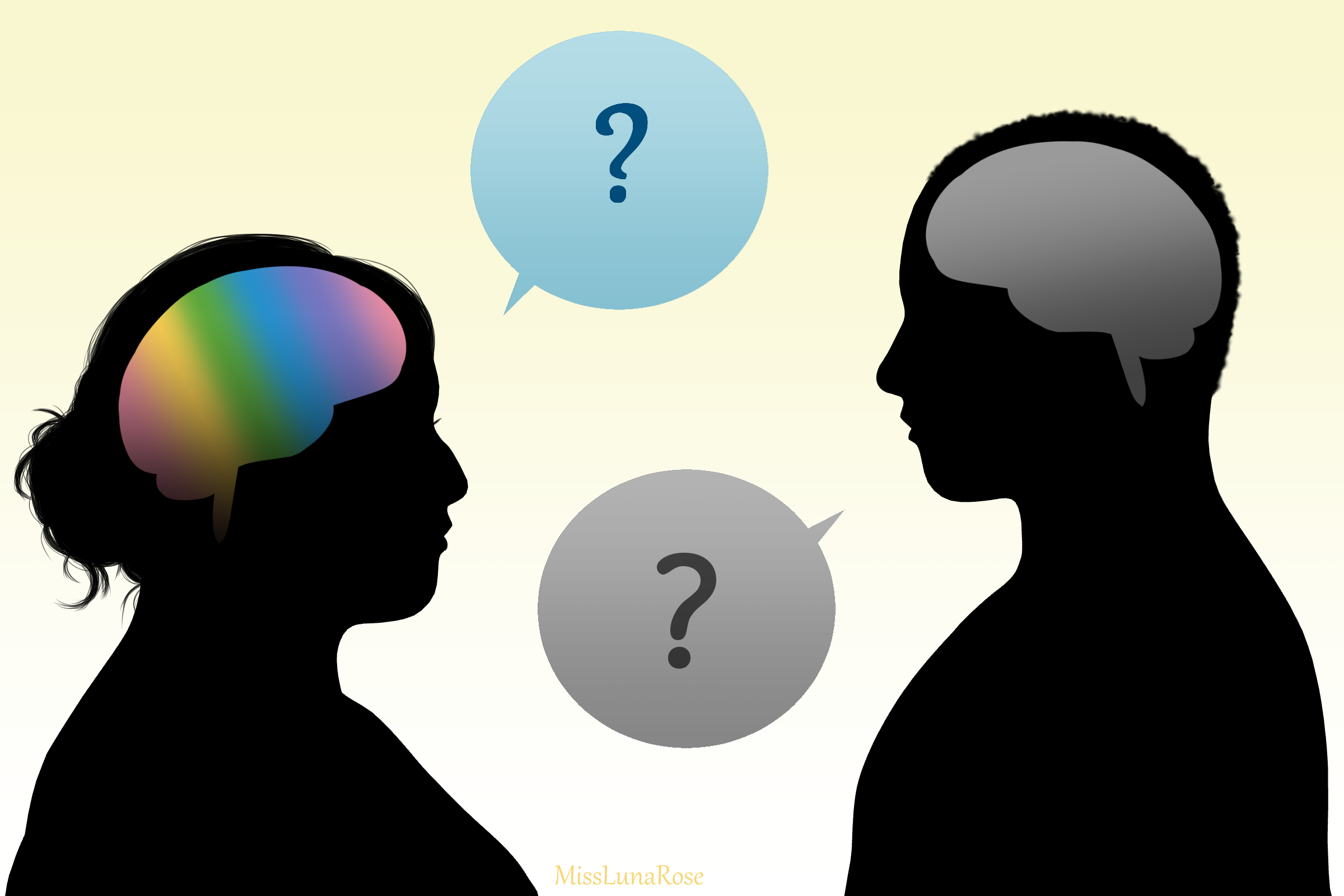
Cognitive Empathy is the intellectual capacity to identify and understand another person’s perspective. It is the “perspective-taking” muscle that allows a student to ask, “Why might my peer be reacting this way?” rather than simply reacting to the behavior.
Emotional Empathy involves the visceral response—the ability to physically feel what another is feeling. While essential for connection, it must be balanced with regulation so that the child does not become overwhelmed by the emotions of others.
Compassionate Empathy is the actionable outcome of the first two. It is the bridge between understanding and behavior, driving the child to take constructive action to support or assist others. When these three are taught as a curriculum, they form the basis of social-emotional learning (SEL), which provides the framework for all other academic engagement.
Integrating empathy into a curriculum requires move away from punitive discipline toward restorative practices. Here is how educational systems are successfully standardizing this approach:
Establishing the Emotional Vocabulary: Before children can empathize, they must possess the lexicon to identify emotions. Curricula start by teaching students to label complex feelings beyond “happy” or “sad,” utilizing tools like “emotion wheels” to identify nuanced states like frustration, overwhelmedness, or curiosity.
Modeling Perspective-Taking: Educators use literature and historical narratives to ask “what if” questions. By analyzing character motivations in stories, students practice the cognitive exercise of stepping into another person’s shoes without the immediate pressure of a real-world conflict.
Restorative Conflict Resolution: When friction occurs, the standard response is no longer isolation or punishment. Instead, the curriculum mandates a “mediation circle.” Students involved in a conflict are guided through a process of expressing their feelings and acknowledging the impact of their actions on their peer, turning a disciplinary moment into a learning opportunity.
Collaborative Project-Based Learning: Curricula are shifting toward group projects where success is contingent upon team cohesion rather than individual output. This forces students to negotiate roles, manage differing opinions, and support teammates to reach a shared goal.
Reflective Practice: The day ends with a “check-out” where students reflect on moments of connection or challenge. This metacognitive practice helps children recognize how their own emotional state influenced their interactions throughout the day.
Examples and Case Studies
The impact of these curricula is best seen in longitudinal studies of school districts that have moved to a full SEL model. In one notable case study from a mid-sized urban district, schools that integrated empathy-based conflict resolution saw a 40% reduction in disciplinary referrals over three years.
Beyond statistics, consider the “Peer Buddy” programs implemented in modern elementary schools. By pairing older students with younger ones, the older students are trained in active listening and supportive guidance. A student who struggles with academic anxiety might be paired with a mentor who uses empathy-based coaching to help them navigate the task. The result is a dual benefit: the younger student gains confidence, and the older student develops the leadership and emotional intelligence required to manage interpersonal dynamics.
In high-performing private institutions, this training extends to “Ethics and Empathy” seminars, where students analyze current events through the lens of those most affected by them. This creates a generation of graduates who do not just excel at logic, but who understand the human consequences of the decisions they make in business and policy.
Common Mistakes
While the adoption of empathy training is positive, poor execution can lead to ineffective outcomes. Avoid these common pitfalls:
Treating Empathy as a “Special” Subject: Empathy cannot be taught in a 30-minute block on Fridays. If it is isolated from the rest of the curriculum, students will view it as a separate chore rather than a way of life. It must be embedded into every subject, from history to mathematics.
Confusing Compliance with Empathy: Forcing a child to apologize is not teaching empathy; it is teaching performative compliance. True empathy requires genuine insight, which takes time and patience to cultivate.
Neglecting Educator Training: You cannot teach what you do not embody. A major mistake is implementing an empathy curriculum while maintaining a traditional, authoritarian classroom culture. Teachers must be trained in emotional regulation and modeling to lead by example.
Ignoring the Cultural Context: Empathy is expressed differently across cultures. A standardized curriculum must allow for diverse expressions of empathy, rather than imposing a single, Western-centric mode of social interaction.
Advanced Tips
For those looking to deepen the impact of empathy-based training, consider these advanced strategies:
The goal of empathy training is not to create a world without conflict, but to create a world where conflict is treated as a problem to be solved together rather than a battle to be won.
The “Neutral Observer” Technique: Teach students to view conflicts from the perspective of an invisible third party. By detaching from the immediate emotional spike of a disagreement, students can analyze the event with greater clarity and less defensiveness.
Digital Empathy Training: As communication moves online, the lack of non-verbal cues makes empathy more difficult. Modern curricula are beginning to include modules on “Digital Empathy,” teaching students to consider the human behind the screen and the impact of written words in the absence of facial expressions or tone of voice.
Biofeedback Integration: Advanced programs are using basic biofeedback tools to help students recognize their own physiological stress responses. When a student learns to recognize their heart rate spiking during an argument, they can employ self-regulation techniques before the conflict escalates, which is the prerequisite for empathy.
Conclusion
The transition toward empathy-based training in early developmental curricula represents a maturation of our educational goals. We are moving toward a model that values the “whole child,” recognizing that technical skill without the capacity for human connection is incomplete, and potentially dangerous.
By treating empathy as a learnable, measurable skill, we provide students with a lifelong toolkit for success. The students who undergo this training are better equipped to navigate the complexities of the modern world, lead diverse teams, and maintain their own mental well-being. As this becomes the new standard, the definition of an “educated” person will shift from one who knows the most, to one who can best understand and collaborate with others. The future belongs to those who can bridge the gap between their own inner world and the experiences of the people around them.
Introduction Urban environments are arguably the most complex systems humanity has ever engineered. From synchronized traffic light grids and autonomous…
Outline Introduction: The “Black Box” dilemma in modern AI. Key Concepts: Defining the trade-off, model complexity vs. cognitive interpretability. Step-by-Step…
Discover how educators can leverage AI to automate lesson planning, grading, and admin tasks while maintaining the human touch in the modern classroom setting.
Discover how Few-Shot Quantum Machine Learning (FS-QML) overcomes data scarcity to accelerate the discovery of advanced materials like electrolytes and alloys.
Discover why life-long learning is the essential professional standard for 21st-century career growth, adaptability, and long-term economic survival in the AI age.
Practical Challenges in XAI Deployment for Regulated Industries Introduction In the financial services, healthcare, and insurance sectors, the adoption of…